

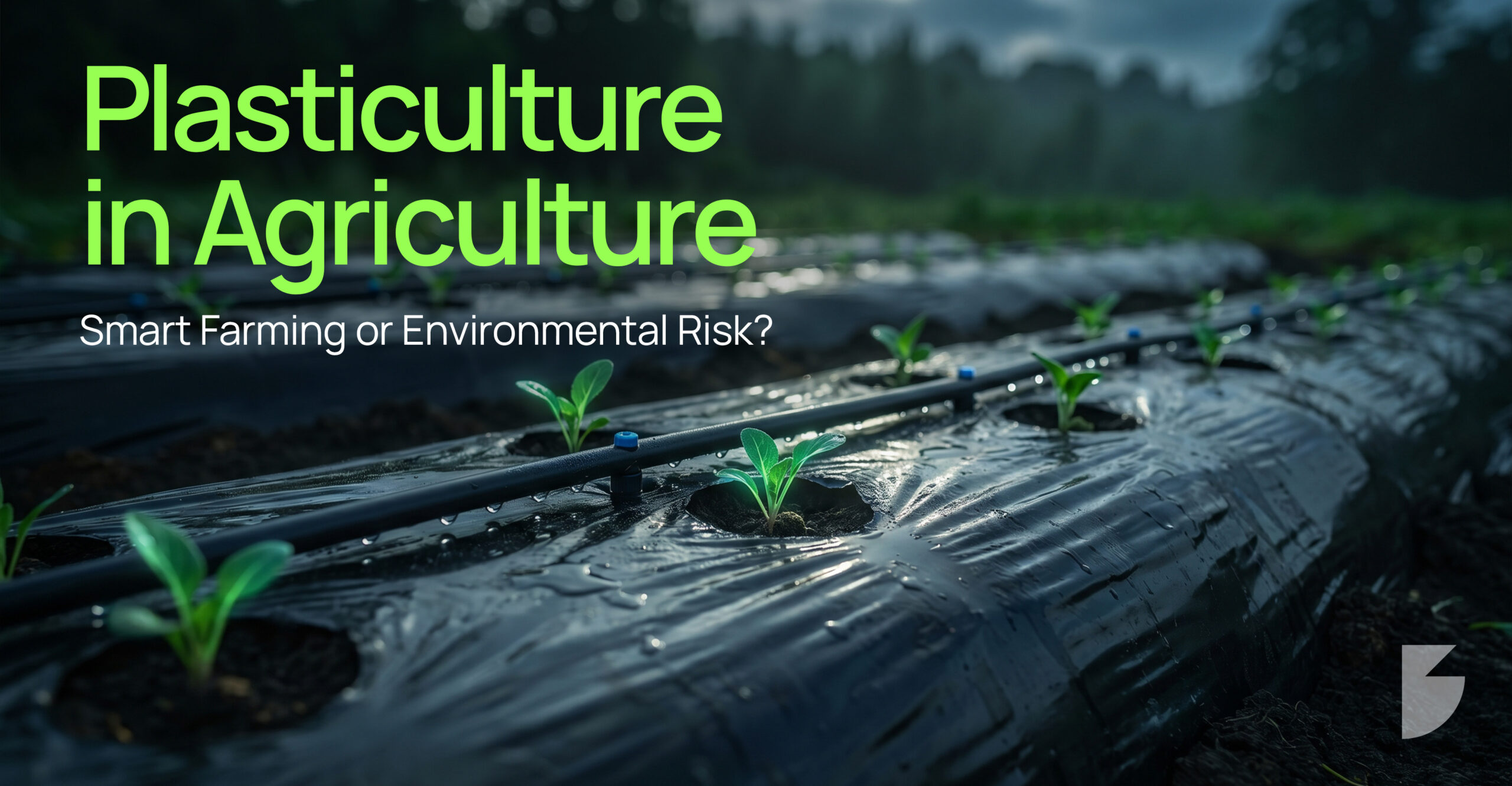
Plastic has become an important part of modern agriculture.
From drip irrigation pipes to mulch films, greenhouse covers, silage films, and crop protection systems, plastic-based solutions help farmers manage water, protect crops, reduce wastage, and improve productivity.
This use of plastic in farming is known as plasticulture.
But today, one important question is being asked:
Is plasticulture helping smart farming, or is it creating environmental risk?
The answer depends on how plastic is designed, used, collected, and recycled.
Why Plasticulture Matters in Farming
For farmers, plasticulture is not just about using plastic in the field. It is about improving efficiency.
A good drip irrigation system can help deliver water directly to the root zone. This reduces water wastage and supports better crop growth.
Mulch films help protect the soil by reducing evaporation, controlling weeds, and maintaining better soil moisture. This can be especially useful in hot and water-sensitive farming conditions.
Greenhouse films, nets, and crop protection covers also help farmers reduce climate risk and improve crop quality.
In simple words, plasticulture can support:
- Better water management
- Reduced weed growth
- Improved soil moisture
- Better crop protection
- Higher crop quality
- More controlled farming practices
This is why plasticulture has become an important part of smart farming and sustainable agriculture.
Where the Environmental Risk Begins
The risk does not come from plasticulture itself.
The real problem begins when low-quality plastic is used, left in the field, burned openly, or not collected properly after use.
Thin and weak mulch films can break into small pieces and remain in the soil. Over time, this can create concerns related to soil health and plastic waste.
Open burning of used agricultural plastic is even more harmful because it can release toxic smoke and damage the environment.
So, the challenge is clear:
Plasticulture must not become a use-and-throw practice.
It needs proper quality, careful use, and responsible recovery.
The Responsible Way Forward
The future of plasticulture should not be only about using more plastic.
It should be about using better plastic and managing it responsibly.
High-quality, durable, UV-stabilized products last longer and reduce frequent replacement. Stronger mulch films are easier to remove from the field after use, which helps reduce leftover plastic waste.
Farmers, manufacturers, dealers, and local collection systems must work together to improve recovery and recycling.
The focus should be on circular plasticulture — where agricultural plastic is used efficiently, collected properly, and recycled wherever possible.
Bhumi Polymers’ View
At Bhumi Polymers, we believe plasticulture can be a powerful tool for smart farming when used responsibly.
Our focus is on practical agricultural solutions that help farmers save water, protect soil moisture, improve crop performance, and manage farming more efficiently.
But smart farming must also be responsible farming.
That means choosing quality products, avoiding open burning, recovering used plastic, and supporting better recycling practices.
Because the future of farming cannot be only productive.
It must also be sustainable.
Conclusion
Plasticulture is not simply good or bad.
It becomes smart when it helps farmers save water, protect crops, and improve yield.
It becomes risky when it is low-quality, mismanaged, or left behind in the field.
The solution is not to reject plasticulture.
The solution is to make it more responsible, durable, recoverable, and circular.
With the right approach, plasticulture can continue to support Indian farmers while reducing environmental impact.
Smart farming needs smart materials.
And smart materials need responsible use.